Branding guide
Best Brand Identity Design Services in 2026: The Buyer's Shortlist
By Kate Caballero · Founder, LILU Agency · LinkedIn
Published · Written by a branding service provider; LILU is featured below.
The best brand identity design service depends on what you're building. For founders and growing teams looking for a distinctive, modern visual system, LILU Agency's Brand Creation & Refresh is one option to consider. This guide compares four ways to develop a brand identity, from a full-service creative studio to a freelancer or an in-house team, so you can choose based on scope, collaboration, and budget.
Key Takeaways
- Choose the delivery model before the agency. A creative studio, independent designer, internal team, and DIY platform solve different problems. Start by defining your launch date and required deliverables.
- Identity is more than a logo. A useful system includes typography, color, imagery, layout principles, and guidance for consistent use across channels.
- A refresh is not always a rebrand. If your positioning still works, refining the visual system can preserve recognition while improving execution.
- Evaluate actual work. Ask to see how a brand system performs across a website, social content, presentations, and campaigns, not just a logo mockup.
- Budget for implementation. Clarify whether brand strategy, guidelines, website design, motion, and production assets are included in the proposal.
What brand identity design actually is (and what it is not)
Brand identity design is the process of translating a company's positioning and personality into a recognizable visual system. Depending on the project, that system can include a logo and its variations, typography, color palettes, graphic elements, art direction, imagery, layouts, motion principles, and brand guidelines. The goal is not merely to make a company look attractive. It is to help people recognize it, understand its character, and experience it consistently across different touchpoints.
Brand creation usually starts with a new company, product, or offering. The team may need to clarify the audience, competitive context, personality, and visual direction before designing the system. A brand refresh begins with an existing identity. It can preserve recognizable elements while addressing issues such as outdated typography, inconsistent applications, or a visual language that no longer matches the business.
Brand identity is related to, but distinct from, brand strategy. Strategy addresses who the brand serves, what it promises, and how it is positioned. Identity expresses those decisions through design. It is also different from a website build, a marketing campaign, or a logo-only commission, although these can be connected parts of a larger engagement.
Before hiring a designer, decide whether you need strategic discovery, a complete identity system, a targeted refresh, or production-ready brand assets. A good proposal should name the deliverables, revision process, decision-makers, and handoff format. That clarity matters more than a broad promise to make a brand feel “premium.”
How We Ranked These Brand Identity Design Services
This is a practical comparison of service models, not an independently tested ranking of named agencies. LILU authored the guide and has a commercial interest in its own service. Evaluate proposals using the same measurable checklist:
- Scope coverage
- Count the deliverables included (logo variants, typography, color, templates, guidelines, and more).
- Portfolio applicability
- Count relevant case studies showing the identity in at least three real-world formats.
- Implementation readiness
- Confirm whether editable source files, export formats, usage rules, and handoff sessions are included.
- Commercial clarity
- Compare quoted total cost, number of revision rounds, timeline, and ownership/licensing terms.
- Collaboration model
- Establish who leads creative direction, who produces assets, and who approves work.
The Best Brand Identity Design Services in 2026
There is no universal winner. The right choice depends on how much strategic direction, creative production, and ongoing support you need. The options below represent different ways to get a brand identity built, rather than a list of directly comparable software products.
1. LILU Agency, best for a design-led brand creation or refresh
LILU is an independent creative studio offering brand creation and refresh services. Its stated scope includes visual identity, logo systems, brand guidelines, and strategy. For companies that also need a consistent visual presence beyond the initial identity, LILU works across web design, marketing design, and motion design.
The advantage of a studio approach is coordination: a brand's typography, imagery, motion, and digital experience can be designed as parts of one system. This can be valuable for founders launching a new company, established businesses modernizing their presentation, or marketing teams that need an identity they can use repeatedly. Rather than judging a brand solely on a single logo, ask how its visual language adapts to a website, pitch deck, social campaign, and product communication.
Examples of work associated with LILU include EpiRēna, and design/motion work for Nayya. These are portfolio references, not verified performance or revenue claims. Brand-identity-specific pricing, delivery timeline, revision counts, and independently verified client outcomes should be confirmed in a proposal. LILU has previously described a $5,000 minimum for website engagements; that is not a published brand identity package price.
Best suited for: Founders and growing companies looking for a cohesive visual system with a distinctive creative point of view. Also suitable for marketing teams that want branding connected to web, campaign, and motion execution.
2. Independent brand designer, best for focused, hands-on collaboration
An independent designer can be a strong choice when the scope is narrow and you want direct access to the person creating the work. For example, a company with established positioning may only need a logo refinement, typography recommendations, and a short usage guide. With fewer people involved, feedback can move directly between the client and the designer.
Capabilities vary significantly. Some freelancers are experienced strategists who deliver extensive identity systems; others specialize in illustration, typography, or logo design. Ask to see comparable finished projects and confirm who handles research, production templates, motion, and digital rollout. Also confirm the designer's availability after delivery, especially if your team will need help applying the identity later.
Pricing and timelines depend on the individual, complexity, and market. Rather than comparing an hourly rate with a studio's fixed project fee, compare total deliverables and the estimated time required for implementation. A less expensive initial identity may require additional contractors for a website or campaign rollout. Request a written scope that covers files, usage rights, revisions, and post-launch support.
Best suited for: Small teams with clear positioning and a limited set of deliverables. Especially useful when a direct designer-client relationship is the priority.
3. In-house brand design team, best for continuous brand evolution
An in-house team works inside the company and can maintain deep knowledge of its products, audience, and day-to-day marketing needs. That continuity is valuable when a brand produces frequent campaigns, launches, product updates, and internal materials. Designers can collaborate directly with product, sales, and leadership rather than working only through project briefs. For budgeting, compare the annual loaded cost of at least one dedicated designer with the cost of a defined project or ongoing external engagement. Ask how many brands, channels, and stakeholders the team can support before adding headcount. A hiring timeline, expected number of design requests per month, and approval turnaround are more useful comparisons than a vague promise of unlimited design. These figures should be supplied by your organization rather than assumed from industry averages.
The trade-off is ongoing capacity and hiring responsibility. A single designer may not cover every discipline required for a full rebrand, such as positioning, naming, typography, illustration, animation, and front-end implementation. Some companies therefore pair internal designers with an external studio for a major identity launch, then bring ongoing execution back in-house.
To evaluate this model, calculate annual employment and software costs, the number of deliverables expected per quarter, and the time available for strategic work. An internal team can be excellent for consistent execution but may benefit from outside perspective when the company's identity needs a significant shift.
Best suited for: Organizations with recurring design volume and a long-term need for brand governance. Often strongest when the company already has a clear identity or enough work to support dedicated designers.
4. DIY branding tools, best for early experiments and temporary assets
Template-based design tools can help a founder produce an initial logo, social graphics, and presentation materials without commissioning a custom identity. They are particularly useful for testing an idea, creating a temporary visual presence, or preparing internal materials before a formal launch. Templates can also make routine updates easier for non-designers.
The limitation is differentiation and system depth. Widely available templates can resemble other brands, and the assets may not account for complex applications, accessibility, responsive layouts, or long-term consistency. Check the licensing terms of any template, icon, font, or stock asset before using it as part of a commercial identity, particularly for trademarks.
Evaluate a tool by the number of templates and export formats you actually need, its licensing terms, and how easily a team can maintain consistent designs. DIY branding is not inherently wrong; it is simply optimized for speed and autonomy rather than bespoke strategy and art direction. Companies can begin with temporary assets and invest in a more distinctive system when the business has validated its direction.
Best suited for: Early-stage experiments, small internal projects, and teams not yet ready for a custom design engagement. Less suitable for organizations seeking a differentiated, fully owned identity system across many touchpoints.
Side-by-Side Comparison
Compare the options using scope, continuity, and implementation responsibility. These are qualitative service-model distinctions, not measured scores.
| Option | Typical strength | Key consideration | Pricing |
|---|---|---|---|
| LILU Agency | Integrated identity, web, marketing and motion | Confirm project-specific scope and schedule | Custom quote |
| Independent designer | Direct collaboration | Capabilities vary by individual | Custom quote |
| In-house team | Ongoing ownership | Requires staffing and management | Employment and operating costs |
| DIY tools | Quick initial assets | Template and licensing limitations | Varies by platform |
Which Brand Identity Design Service Fits Your Use Case
| Situation | Suggested model | What to request |
|---|---|---|
| Launching a design-conscious brand | Creative studio | Identity system, guidelines, launch applications |
| Refreshing an existing logo | Independent designer or studio | Identity audit, logo refinements, updated guidelines |
| Producing campaigns every week | In-house team or ongoing studio partner | Reusable templates, governance, design support |
| Testing a business idea | DIY tools | Basic visual kit and licensed assets |
Case studies
What Results From Brand Identity Design Look Like
All five projects below were completed by LILU. They demonstrate brand creation and refresh work across distinct visual directions, including identity systems, digital applications, and brand guidelines. These are portfolio examples, not claims of measured business performance.
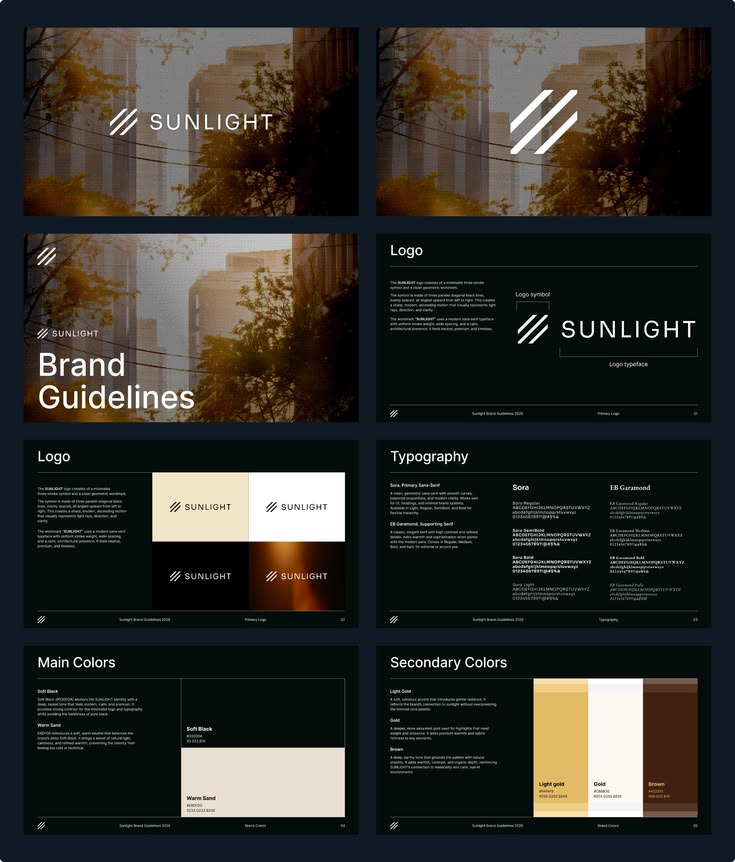
Sunlight
Brand identity, logo system, typography, color palette, and brand guidelines.
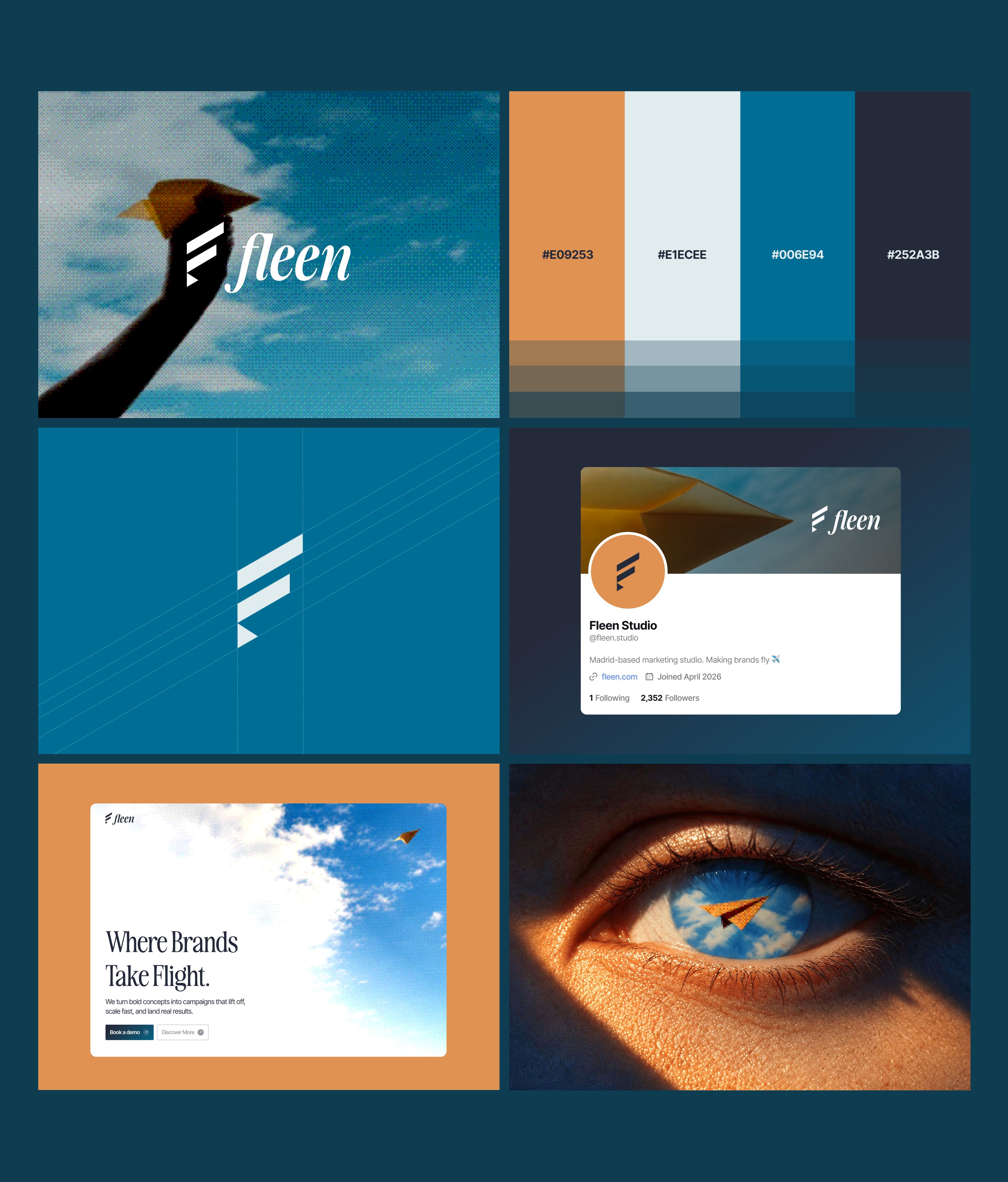
Fleen
Brand identity, logo system, palette, and digital brand applications.
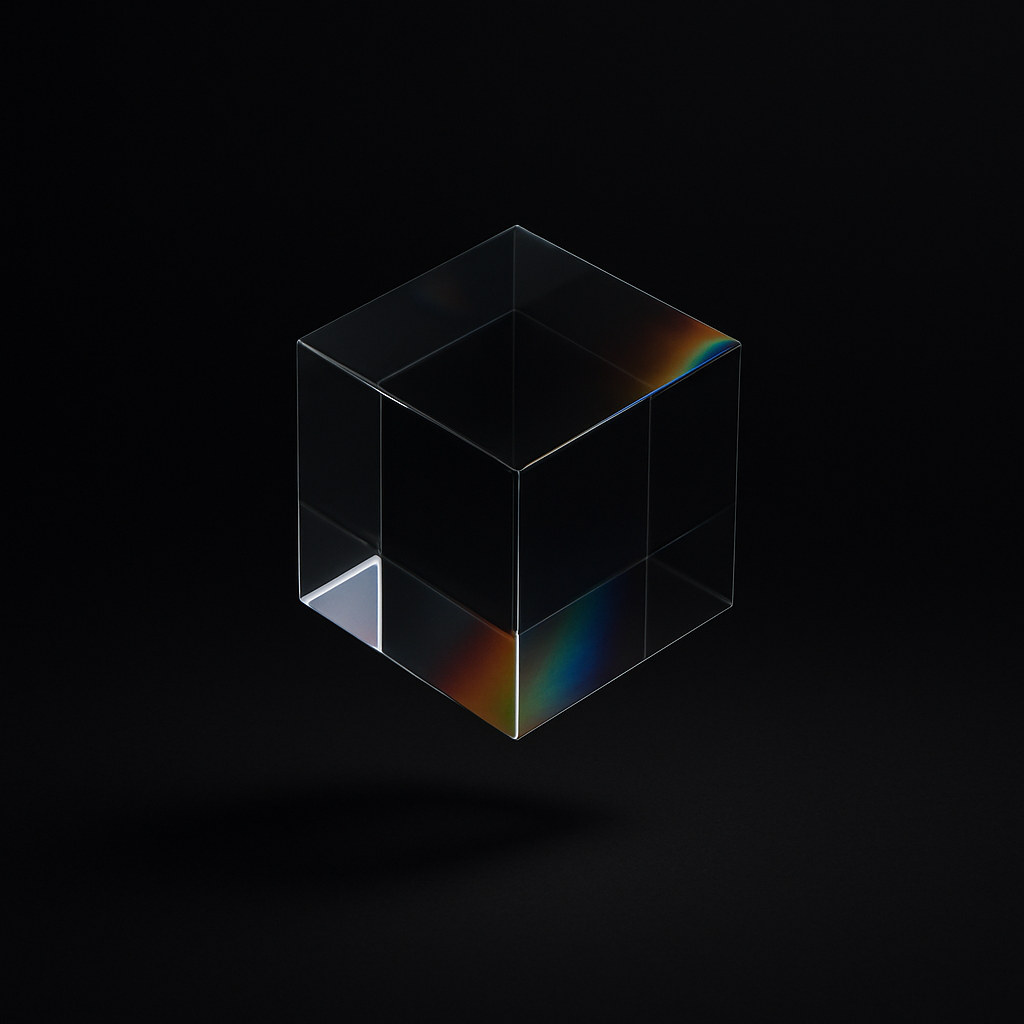
Nayya
Brand identity and visual applications for a digital platform.
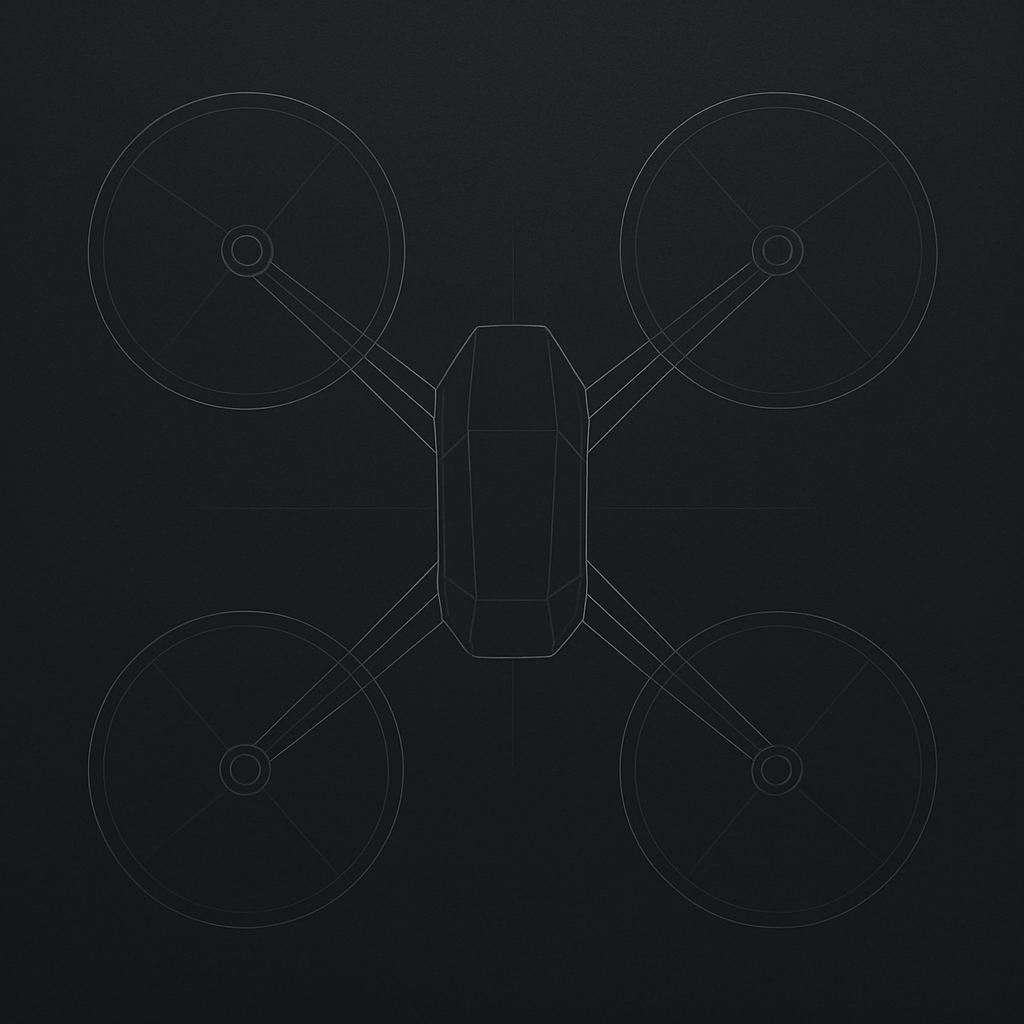
Vira Drones
Brand identity and visual system for a drone technology company.

EpiRēna
Brand identity, logo, style guide, and product packaging for a science-backed skincare line.
Frequently Asked Questions
What is included in a brand identity design package?
Common deliverables include logo variations, typography, color, graphic elements, and guidelines. Ask for a written list of files and applications because packages vary.
How do I know whether I need a refresh or a full rebrand?
If your positioning is sound but your visual system feels inconsistent or dated, a refresh may be enough. If your audience, offer, or market position has changed, a broader rebrand may be appropriate.
How much does professional branding cost?
Cost varies with research, deliverables, complexity, and implementation. LILU provides project-specific quotes rather than a fixed price on this page.
How long does a brand identity project take?
Timing depends on discovery, feedback cycles, scope, and stakeholder approvals. Ask for a milestone-based schedule before committing.
What should I prepare before contacting a branding agency?
Bring your business goals, audience, competitors, existing assets, budget range, and ideal launch date. A clear brief helps the agency propose the right scope.
How can I tell if a branding agency is a good fit?
Look at relevant work, process transparency, and how well the team explains its design decisions. Ask who will work on the project and what the final handoff includes.
What happens after the brand identity is approved?
The identity needs to be implemented across your website, marketing materials, and other touchpoints. Confirm whether rollout support and reusable templates are part of the engagement.
How does LILU approach brand creation and refresh?
LILU offers visual identity, logo systems, brand guidelines, and strategy, with adjacent web, marketing, and motion capabilities. Contact the studio to discuss a scope tailored to your business.
Get a Free Brand Project Consultation from LILU
Tell us whether you are launching a new business or updating an established identity. We will review your goals, audience, current materials, and timing. You can ask which elements to keep and which ones need to change. We will outline the next steps and discuss an appropriate project scope. There is no obligation to move forward after the initial conversation. Contact LILU to discuss your brand project.